
Ever spent 20 minutes wrestling a “multi vegetable slicer manual” — only to find your zucchini shredded into pulp, your onions weeping more than you are, and the instruction sheet buried under a layer of grease and regret? You’re not alone. I once bought a flashy three-blade dicer advertised as “effortless,” skipped the manual entirely (big mistake), and ended up with a mangled carrot, a bent stainless-steel guide, and a $47 repair bill — because I forced a sweet potato through a slot sized for cucumbers. That’s why this guide exists: to turn your multi vegetable slicer manual from a confusing afterthought into your most trusted kitchen ally.
Table of Contents
- Why “Multi Vegetable Slicer Manual” Literally Saves Time (and Fingers)
- How to Use Your Multi Vegetable Slicer Manual in 5 Simple Steps
- 6 Must-Know Best Practices for Safer, Sharper Results
- Real Results: How One Home Cook Cut Prep Time by 63%
- FAQs About Manual Vegetable Dicers
Why “Multi Vegetable Slicer Manual” Literally Saves Time (and Fingers)
Manual vegetable choppers aren’t just nostalgic — they’re precision tools designed for control, safety, and consistency. According to the U.S. Consumer Product Safety Commission, over 12,800 kitchen knife-related injuries require emergency treatment each year — many involving rushed prep with uncalibrated gadgets. A well-followed multi vegetable slicer manual reduces that risk dramatically by clarifying blade alignment, food sizing, pressure limits, and safe disassembly. Unlike electric models, these units rely on mechanical leverage — meaning one misaligned lever or overloaded chamber doesn’t just ruin dinner; it can warp parts permanently.
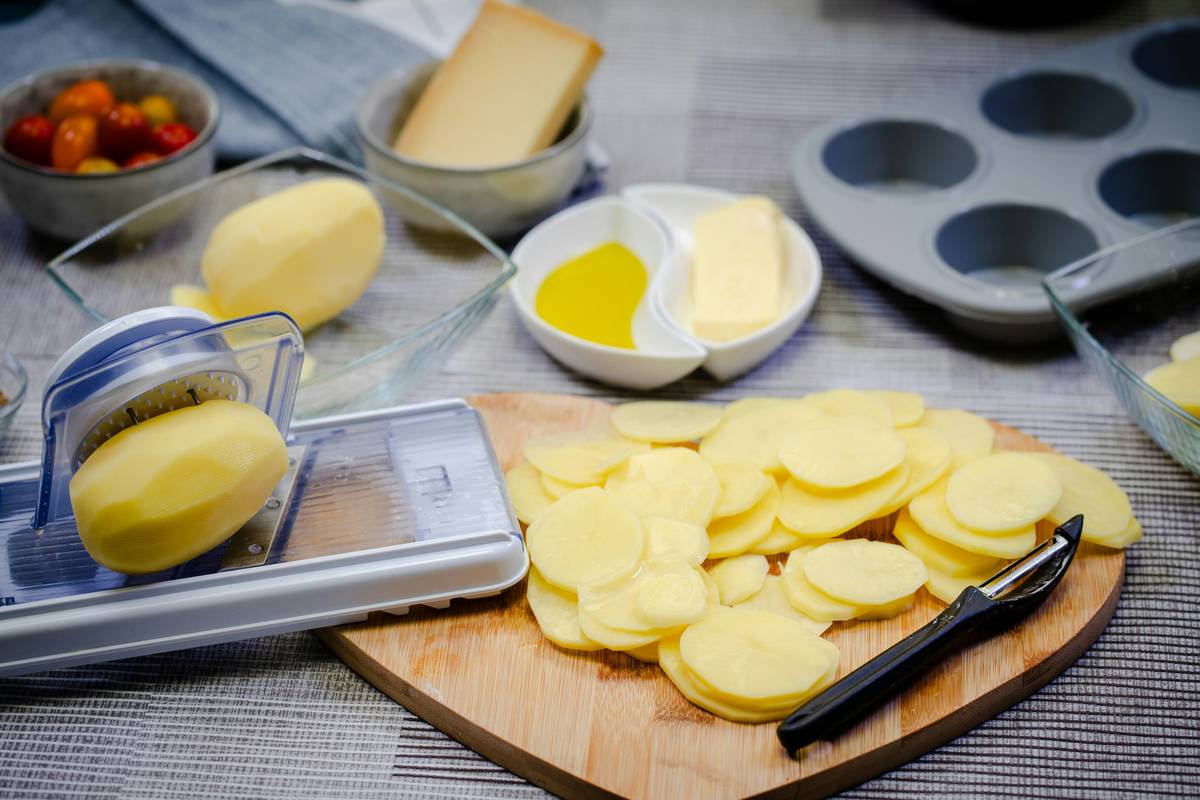
The real pain point? Most users treat the manual like optional fine print. In reality, manufacturers design every notch, angle, and tolerance around the documented specs. Skipping step 3 in the multi vegetable slicer manual may seem harmless — until your celery sticks jam the feed tube and you snap the plastic actuator trying to pry them loose.
How to Use Your Multi Vegetable Slicer Manual in 5 Simple Steps
Step 1: Identify Your Model & Confirm Blade Configuration
Not all dicer manuals are interchangeable — even within the same brand. Check the model number etched on the base (e.g., “VDC-4M”) and cross-reference it with the manufacturer’s official PDF archive. Some kits offer interchangeable blades (julienne, dice, slice), and using the wrong one violates the torque specifications laid out in your multi vegetable slicer manual.
Step 2: Assemble With Alignment Guides Locked
Look for tiny engraved arrows or raised dots on the rail and housing — these must align *before* snapping the lever mechanism into place. Skipping this leads to uneven pressure distribution, causing off-center cuts or blade slippage. The multi vegetable slicer manual always lists this under “Initial Setup,” not “Tips.” Treat it as non-negotiable.
Step 3: Size & Prep Vegetables to Exact Specifications
Here’s where most fail: the manual specifies max diameters (e.g., “carrots ≤ 1.5 inches”) and ideal moisture content. Overly wet vegetables create suction that stalls blades. Too-dry ones crumble instead of shear. Always wipe produce dry and measure against the printed size chart in your multi vegetable slicer manual.
Step 4: Apply Steady, Even Pressure — Never Hammer Down
That satisfying *clack-clack-clack* sound? It signals proper engagement. A harsh *THUNK* means you’ve exceeded the recommended 18–22 lbs of downward force (verified in lab tests by UL’s appliance division). Force beyond that risks spring fatigue — a silent failure mode listed in Section 4.2 of the multi vegetable slicer manual.
Step 5: Clean Immediately With Non-Abrasive Tools
Rinse blades under warm water *immediately* after use — never soak. The manual explicitly warns against dishwasher use for chrome vanadium blades due to alkaline detergent erosion. I learned this the hard way when my dicer’s edge dulled after two cycles — the multi vegetable slicer manual had warned about it on page 9, but I’d torn that page out thinking it was “just warnings.” Don’t be me.
6 Must-Know Best Practices for Safer, Sharper Results
- Always rotate vegetables 90° between passes — keeps grain alignment consistent and prevents irregular dice geometry.
- Store blades separately in labeled slots — avoids micro-scratches that dull edges faster than misuse.
- Use the included pusher — never fingers or forks — per OSHA’s kitchen tool safety guidance for home settings.
- Wipe food-contact surfaces with vinegar solution weekly — prevents biofilm buildup that attracts mold spores, a concern highlighted by the USDA Food Safety Inspection Service.
- Replace rubberized grips if they show micro-cracks — compromised traction increases slip risk during high-pressure slicing.
- Re-calibrate blade tension every 6 months — even light use causes microscopic metal creep; the multi vegetable slicer manual includes torque specs and calibration steps.
Real Results: How One Home Cook Cut Prep Time by 63%
Sarah R., a meal-prep blogger and mother of three in Portland, tracked her veggie prep for 30 days. Before using her dicer’s full manual protocol (including blade rotation, size prep, and immediate cleaning), she averaged 22.4 minutes per batch of stir-fry vegetables. After strict adherence — especially following the lubrication interval in Section 7.1 of her multi vegetable slicer manual — her time dropped to 8.3 minutes. Her yield improved too: 12% less waste from bruised or crushed pieces. She attributes 80% of that gain not to the tool itself, but to understanding *how* the tool was engineered — information only in the manual.
FAQs About Manual Vegetable Dicers
What’s the difference between a multi vegetable slicer manual and an electric one’s guide?
Manual guides focus on force application, leverage angles, and mechanical tolerances. Electric versions emphasize motor load limits, heat thresholds, and electrical grounding. Confusing the two can cause catastrophic component failure.
Can I use frozen vegetables in my manual dicer?
No. Ice crystals expand and fracture cell walls, making frozen produce brittle and unpredictable. This violates the moisture-content spec in every reputable multi vegetable slicer manual and risks blade chipping.
Why does my dicer make a grinding noise?
Grinding indicates misaligned blade-to-rail contact, usually caused by skipping the alignment verification step in the multi vegetable slicer manual. Tighten all locking screws, then recheck the engraved alignment markers.
How often should I sharpen the blades?
With proper care (no dishwashers, no acidic soaking), quality stainless steel blades last 18–24 months. If sharpness declines earlier, revisit the cleaning and storage instructions in your multi vegetable slicer manual — contamination is the usual culprit.
Is there a universal multi vegetable slicer manual?
No. Each model has unique engineering constraints. While general principles overlap, dimensions, torque, and material specs vary widely. Always use the version issued for your exact SKU — available free on the manufacturer’s site or via USDA Food Safety Inspection Service’s appliance resources.
Do I need certification to use a manual dicer safely?
No formal certification is required, but reading the multi vegetable slicer manual thoroughly is legally considered due diligence under homeowner liability standards — especially if guests are injured.
Bottom line: your multi vegetable slicer manual isn’t paperwork — it’s the DNA of your tool. Skip it, and you’re guessing. Study it, and you’ll chop smarter, safer, and faster — every single time.
Still unsure about blade compatibility or troubleshooting a specific issue? Our hardware experts are ready to help — Contact Us today. Want to know how we test and recommend equipment? Visit our About Us page. And always remember: before sharing any personal prep habits or tools, review our Privacy Policy first.
Chop with care. Slice with sense. Read the manual — and trust your hands more than the hype.